
Team
PROFESSIONAL QUALIFICATION

PETRATEX TRAINING PROGRAM
One of Petratex's main objectives is to support and promote specialized training in the field of the textile industry through a set of diversified and specific training programmes.
At Petratex, we believe that a qualified team is essential for fostering innovation and expertise.
That is why we invest in the ongoing training of our employees, encouraging the development of skills, creativity, and critical thinking.
We also maintain partnerships with Portuguese schools and universities, integrating students from fields related to the textile industry and providing them with practical experience and learning opportunities.
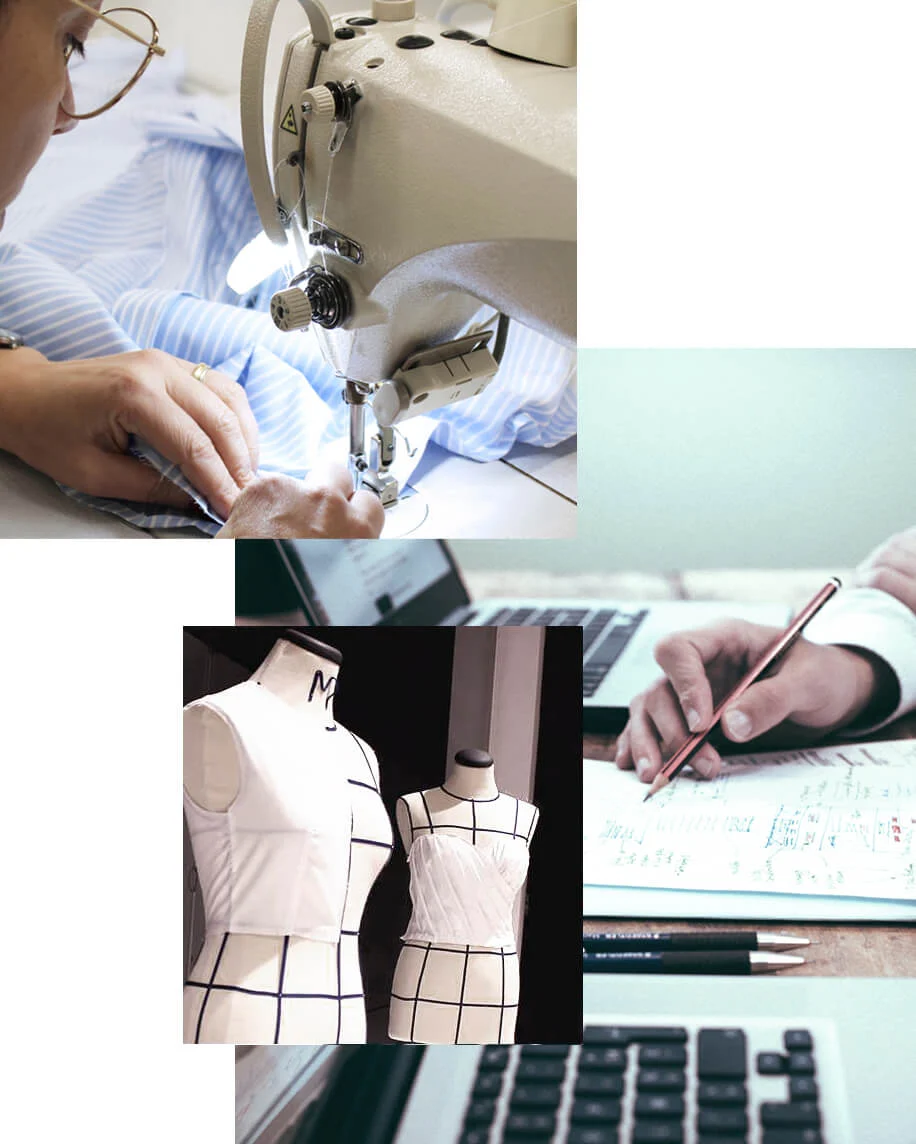
At Petratex, we believe that our greatest asset is our people.
As a leading clothing manufacturer, maintaining high standards of quality, safety, and innovation requires a team that is constantly growing. To support this vision, we are proud to roll out a comprehensive training initiative for all our collaborators, running through the end of this year.
By investing in these diverse technical, safety, and managerial skills, Petratex is not just improving numbers—we are investing in human potential. We are building a safer, smarter, and more resilient company, ensuring that every garment we produce carries the mark of an expertly trained team.
Building the Future of Apparel, Together!
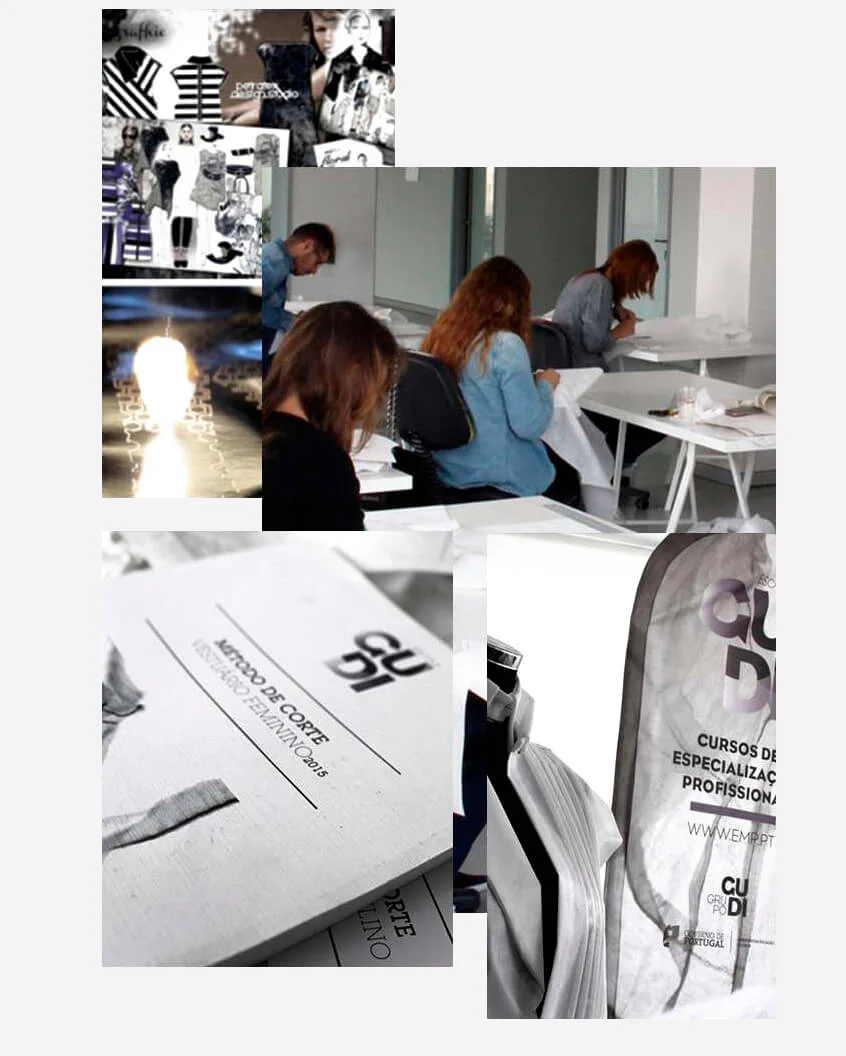
Discover the key training programs that are part of our development plan and the value they add to our teams and our organization:
- Advanced Excel Training
• Why: Efficient data management and analysis are essential in different phases of garment production, from supply chain management to quality monitoring and control.
• Added Value: Allows for the optimization of administrative and production tasks, reduces errors, and supports our teams in making faster and more informed decisions. - Professional English Language Skills
• Why: In a sector with a strong international presence, effective communication with clients, suppliers, and partners is fundamental.
• Added Value: Improves communication and collaboration with international partners, contributing to better relationships with our clients and the growth of our global market presence. - First Aid
• Why: The safety and well-being of our employees are a priority. In an emergency situation, a quick and appropriate response can make all the difference.
• Added Value: Reinforces the ability of our teams to act in emergency situations, contributing to a safer and more prepared work environment. - Fire Safety and Handling of Fire Extinguishers
• Why: Textile production environments involve materials, equipment, and facilities that require adequate prevention and action measures in case of fire.
• Added Value: Reinforces risk prevention and prepares our employees to act safely and effectively in a fire situation, contributing to the protection of people and facilities. - The 5S Methodology
• Why: An organized, clean, and standardized workspace contributes to more efficient production and reduced waste.
• Added Value: Promotes greater organization and efficiency, reduces waste and unproductive time, and contributes to improving the working conditions of our teams. - Leadership & Team Management
• Why: Effective leadership is essential to guide teams, promote good communication, and achieve common goals.
• Added Value: Develops leadership skills, improves communication and team management, and contributes to a more collaborative and motivating work environment. - 8D Problem-Solving Methodology (Metodologia 8D)
• Why: When faced with quality deviations or operational problems, it is essential to use a structured approach that allows identifying the causes and implementing effective solutions.
• Added Value: Promotes more structured problem solving, contributes to the continuous improvement of processes, and reinforces our commitment to quality and customer satisfaction. - Production, Safety & Maintenance - Equipment Inspection and Compliance (DL 50/2005)
• Why: The equipment and machinery used in textile production require safe use and proper monitoring in order to prevent accidents and ensure compliance with safety requirements.
• Added Value: Reinforces the teams' knowledge regarding the use, inspection, and safety of equipment, contributing to accident prevention and compliance with legal obligations. - Safe Operation of Forklifts & Electric Pallet Jacks
• Why: The handling of raw materials, rolls of fabric, and pallets requires knowledge and proper practices to ensure safe and efficient operation.
• Added Value: Improves employee skills in handling loads, contributing to the reduction of accidents and material damage and greater efficiency in warehouse operations. - Digital Fashion & Design (Adobe Photoshop & Illustrator)
• Why: Digital tools are increasingly important in the development of fashion products, from the creation of proposals and designs to the preparation of materials for production.
• Added Value: Allows the development of skills in digital design tools, improves the representation of ideas, and more efficiently supports product development and validation processes. - Exporting Powered by Artificial Intelligence
• Why: In an increasingly competitive global market, Artificial Intelligence can support the identification of opportunities, information analysis, and optimization of different tasks related to exporting.
• Added Value: Promotes the use of new digital tools to support commercial activity, improve market analysis, and increase the efficiency of export processes. - Strategic Human Resources
• Why: People management is fundamental to the proper functioning of an organization, from attracting and retaining talent to developing and monitoring teams.
• Added Value: Reinforces competencies in people management, contributing to better planning, greater employee involvement, and more effective management of the organization's needs.


